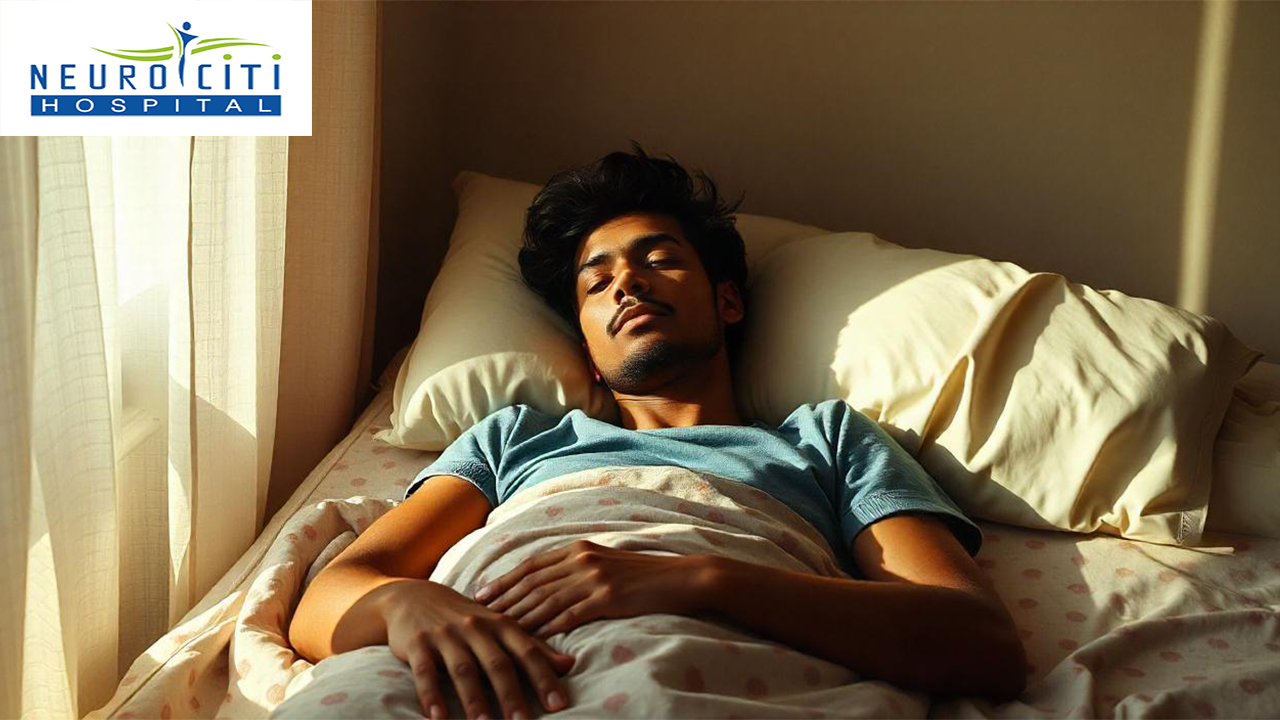
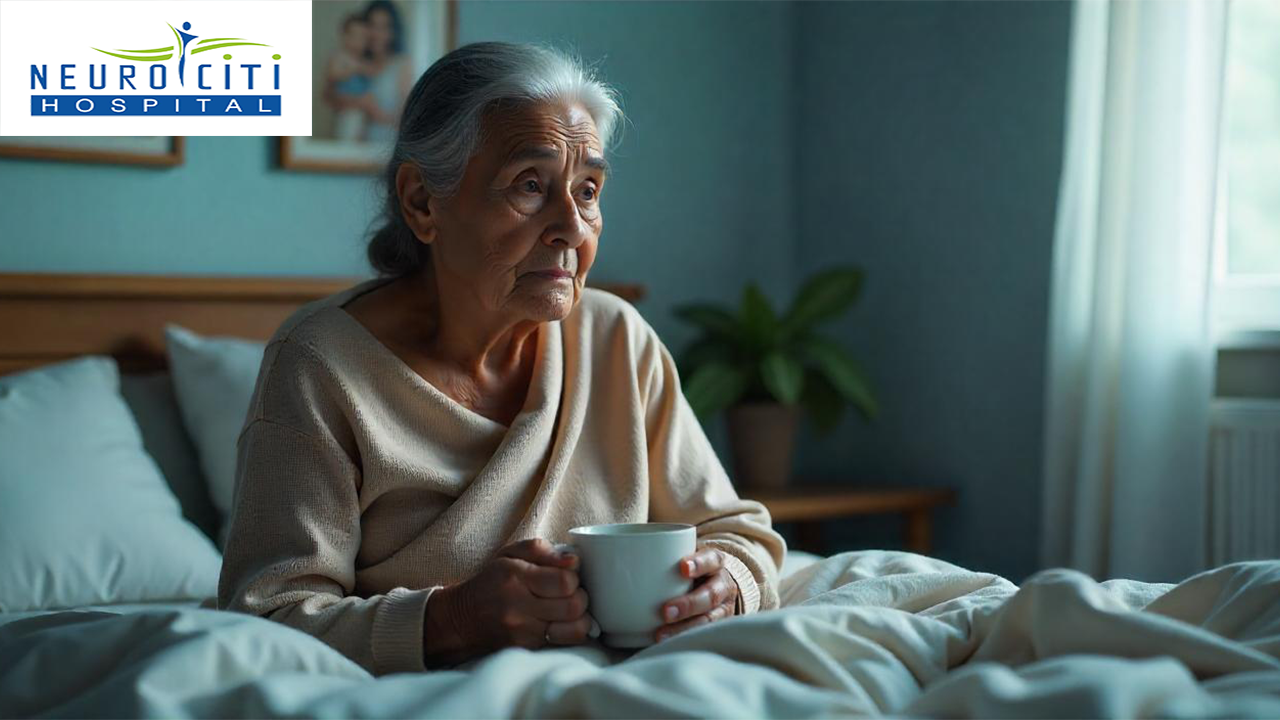
Sleeping — not just a layoff, but an occupying, crucial period installed in us by nature itself. Even if it feels just like unconsciousness, the brain still remains hyperactive, understanding information and managing crucial sustenance. It is a complicated estate which is vital for both physical and mental health, with periodic cycles of light or deep and also REM sleep happening overnight. In this way, sleep disorders slide in, thereby destroying our health, mood and productivity as well. Sleep disorders refer to a series of disorders that affect the ordinary sleeping state. Sleep disorders impact the amount as well as the quality of sleep, the diurnal functioning of the body and sound sleep. They are stimulated by health disorders, genes, the code of life and psychological disorders.
What are the common sleep disorders?
Various types of sleep disorders include:
- Insomnia – It refers to the state of staying awake or finding it difficult to fall asleep, waking up before bedtime. This can even lead to non-restorative sleep.
- Sleep Apnea – This refers to the condition in which breathing starts and stops repeatedly, usually when a person snores loudly, thereby causing deprivation of oxygen and also fatigue during daytime. It is:
- Obstructive – Pulmonary obstruction.
- Central – In this condition, the brain misses signalling the breathing muscles.
- Narcolepsy – It refers to a chronic neurological disorder which causes mind-boggling sleepiness during daytime and also sudden and unexpected sleep attacks.
- RLS (Restless Legs Syndrome) – This is an irresistible impulse to change the position of the legs, specifically at night, usually with creeping or painful sensations.
- Circadian Rhythm Disorders – It covers the problems and issues which align your sleep schedule with your body’s clock. It is common in jet lag and also in shift work.
- Hypersomnia – This disorder involves excessive lethargy and drowsiness in spite of having long sleep. This includes conditions such as narcolepsy.
- Parasomnias – These are the actions during sleep which are abnormal, such as sleep talking, sleep walking or even night terrors.
Treatments of sleep disorders
- Lifestyle and routine changes
- Sleep environment – Must keep your room dark, quiet and calm.
- Regular schedule – You should go to your bed, try to sleep, and wake up at the same time on a regular basis.
- Limit the substance intake – It is advised to reduce the amount of caffeine, nicotine and alcohol, specifically before bedtime.
- Exercises – Exercising during the daytime regularly helps with the disorders, but you must ensure not to perform intense workouts before bedtime.
- Therapies
- Relaxation techniques – The relaxation techniques, such as deep breathing and meditation, help in calming the body
- Cognitive Behavioural Therapy for Insomnia – It changes the thoughts and behaviours that are negative around sleep.
- Light therapy – This involves the use of bright light during daytime, especially in the morning, to restore your body’s clock. It is beneficial for circadian rhythm disorders.
- Medical treatments
- CPAP Machines – The machine stands for Continuous Positive Airway Pressure for disorders such as Sleep Apnea. It helps in keeping the airways open.
- Medications – several drugs prescribed by the doctor can help in managing the specific sleep disorders, such as RLS (Restless Legs Syndrome) or chronic insomnia.
- Melatonin – This refers to the supplements which can aid with issues like jet lag and occasional insomnia as well.
- Various other approaches
- Addressing underlying conditions – It includes treating other medical as well as mental health conditions, such as depression or anxiety, that impact your sleep.
- Surgery – This can be an option for serious sleep apnea.
Conclusion
You need not suffer in silence because sleep disorders are very common and often treatable if diagnosed early. Though its management is vital for the prevention of severe and long-lasting health issues and reclaiming a healthy life. Neurociti Hospital offers treatment for sleep disorders. Dr S.K. Bansal, along with his expert staff members, works tremendously in the field of neurological disorders. Must visit if you want to live a life free of cognitive health issues.
FAQs
Q1. Do warm baths before bedtime help with sleep disorders?
A: Yes, warm baths do help with sleep disorders because our bodies need to lower their internal temperatures, which can be achieved with these warm baths.
Q2. What exactly is sleep paralysis?
A: Many people experience an immediate inability to move and sleep for a few seconds to many minutes.
Q3. Does alcohol help with sleep disorders?
A: No, alcohol can help you relax for a short while, but it can also disrupt your regular sleep cycle.