

The symptoms of spinal stenosis are highly affected by the positioning of the spine. An individual may experience pain and discomfort when walking, lying flat on the back and may sense relief from the pain when seated, lying on the side, sleeping in a fetal position, or lying on the back with elevated knees. The positioning greatly affects the comfort of the nerves that are responsible for sending signals for movement.
Here is a blog that helps you understand what makes sitting a source of relief from the lumbar spinal stenosis walking pain.
An understanding of spinal stenosis
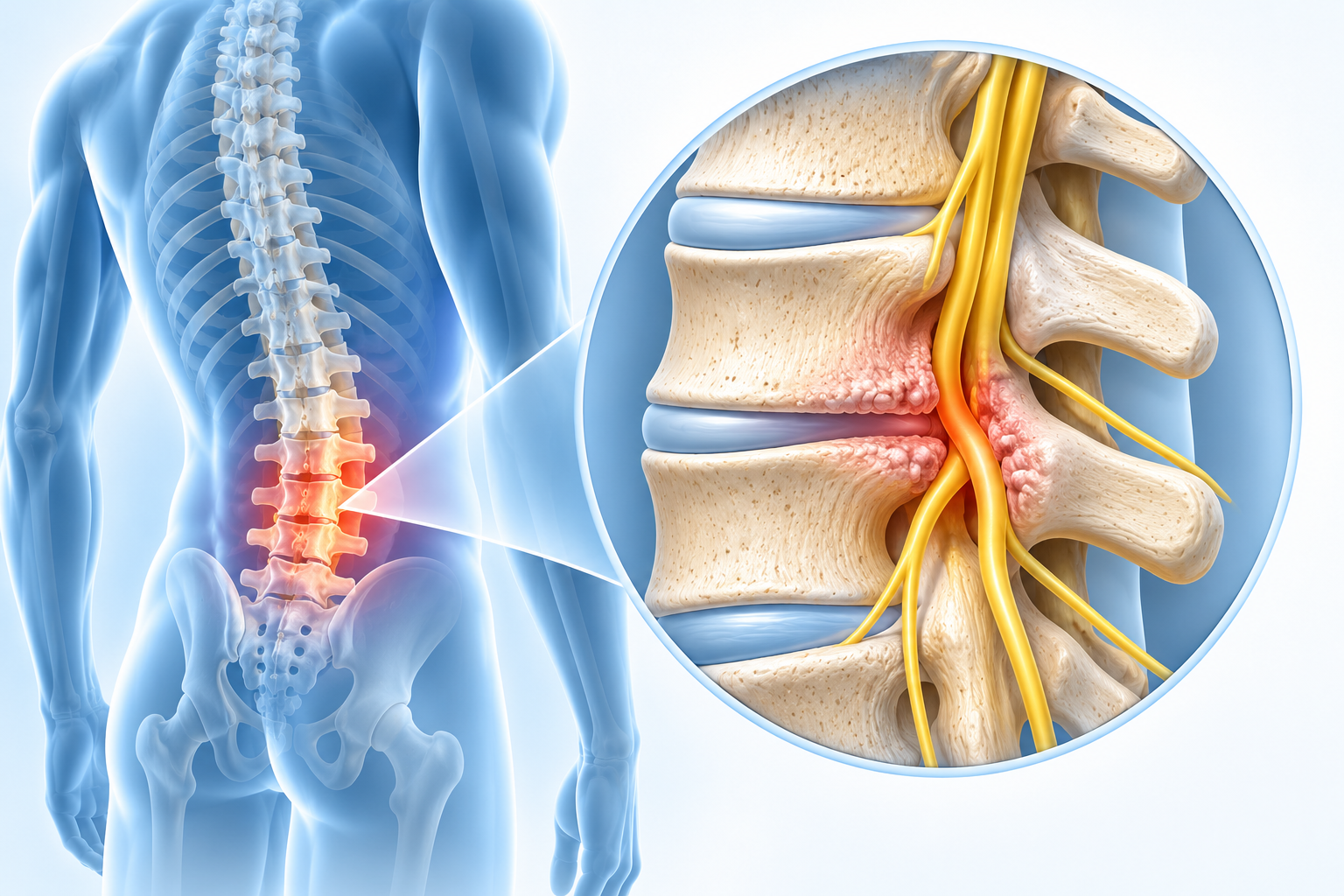
A lack of space in the spine can lead to the compression of the nerves caused by pressure from the surrounding thick ligaments or the bones, which leads to spinal stenosis. A condition related to the shrinking of the space in the spine. The compression of the spine distorts the transmission of nerve signals; as a result, the individual may experience a range of symptoms. This health problem occurs as a result of other underlying problems such as;
- Age-related wear and tear
- Injuries related to the spine
- Birth-related spinal problems
- Degeneration of the discs

The symptoms associated with spinal stenosis
- A burning, aching sensation that is felt in the buttocks, thighs and calves
- It can cause difficulty in walking or standing due to a feeling of heaviness or weakness in the legs.
- The individual may feel relief from the symptoms by sitting down, leaning towards the front or bending towards the waist.
- It may cause a sense of numbness at the feet.
- In rare conditions, the individual may lose control over bowel movements.
How does walking worsen the condition?
The change in body posture causes an extension of the spine, making the lumbar curve protrude. The standing posture and walking significantly cause a reduction of space in the spine, causing the bones, thick ligaments or bulging discs to compress the nerves. The compression hinders blood and oxygen flow between the body and brain, hence causing standing and walking problems. Such an occurrence may lead to problems like
- Cramping
- Burning
- Pain
- Heaviness
- Tingling
- Numbness

How does sitting promote relief?
Sitting causes the pelvis to rotate backward and flattens the curve of the spine, which leads to a flexed position of the spine. This posture reduces the compression of the nerves, hence bringing temporary relief from the physical symptoms. This is what happens to the spine;
- Promotes space around the compressed nerve roots
- Minimizes inward folding
- Minimizes lumber extension
- Temporarily minimizes the pressure on sensitive neuro structures.
Does feeling a sharp pain in the thighs and walking problems conclude that an individual has spinal stenosis?
Experiencing a dull ache in the thighs or calves does not immediately mean that the individual has spinal stenosis; it is necessary to undergo diagnostic measures that provide accurate results of the condition. These measures may include;
- The individual would have to undergo imaging exams to provide a visual presentation of the condition.
- The doctors assess the patient’s medical history that can link to the cause.
- The specialist may have to carry out electrodiagnostic tests.
Do I need to undergo surgery after being diagnosed with spinal stenosis?
Surgery is not the only treatment for spinal stenosis; it is addressed with different approaches based on the patient’s level of severity. Apart from surgery, here are the different modes of approach;
Undergoing physical therapy: The sessions aim to strengthen the back, support the spine and strengthen the abdominal muscles.
Administration of medical treatment: They are needed to promote relief from the pain and inflammation.
Administration of specialised injections: The injections are prescribed to reduce swelling and irritation from the pinched nerves.
Adjustment of activities: Rest and a reduction of activities is mostly advised when the symptoms spike up.
Conditions that require surgery
The specialist advises surgery in conditions where;
- The individual’s body is not responsive to the conservative treatment approach
- When the symptoms are causing aggressive limitations to daily activities.
- The patient is experiencing accelerated progression of spinal stenosis.
The aim of the surgery
The surgical procedure is conducted with the aim of promoting relief from the symptoms; as such, it is targeted to address the compression of the nerves. It involves different types: laminotomy, Laminectomy, foraminotomy, laminoplasty, or spinal fusion.
Conclusion
Spinal stenosis cannot be treated by changing body posture alone; it requires expert medical intervention that addresses the underlying cause and offers prescribed treatments to provide relief from the symptoms.
The best time to see the doctor is as soon as you start to notice the symptoms to allow the specialist to provide an accurate diagnosis as early as possible. The treatment prescribed aims to enable you to walk and perform daily activities, experience relief from the pain and inflammation and manage the progression of the condition. Dr SK Bansal at NeuroCiti carries out a range of diagnostic measures to address lumbar spinal stenosis walking pain and provides a personal treatment plan.
FAQ’s
Am I able to continue walking after receiving spinal stenosis treatment?
The chances of being able to walk vary, the severity of the case determines whether it is possible or not.
How do specialists help patients with wear-and-tear-related causes of spinal stenosis?
This means that the individual is experiencing degenerative spinal stenosis, whereby the narrowing of space is progressive; it is mainly treated with long-term conservative care and surgery.
I am able to circle around but can’t walk; can you explain why?
This is mainly because the symptoms are linked to the positioning of the spine; a flattened spine brings relief, as a person circles around and the spine protrudes as it curves while walking.
Are there effects of neglecting spinal stenosis treatments?
Neglecting treatment can allow the condition to progress, which affects the cervical area as well as the neck. It further leads to complications and lowers the chances of the symptoms subsiding.
Do I still need to undergo physical therapy after undergoing spinal stenosis surgery?
Physical therapy is recommended after the surgery to help the individual regain strength, the ability to move and gain independence with their daily activities.
